
What do you do with a view?
Or the poetry of domes…

This week: Going home to Rome, Hanna-Barbera cartoons and is there such a thing as a poetry roadie?
Back in the road-dog days when poetry came with a backbeat and an obbligato of sharp guitars, when we hunted in packs and drank turpentine and Tizer, when we danced to the hospital moon stomp, the back alley drag, the belch and the rock hop, we’d turn up in towns that most other ‘modern musical combinations’ wouldn’t dare to visit or perhaps wisely bypassed in search of more lucrative engagements.
We rarely played big cities. If we did it was on the fringes, squatted industrial estates or locally funded community franchises where you invariably played to an audience made up entirely of the stoner event organisers who’d not got it together to invite anyone else. But we were out there, way, way out there doing our thing, shaking it up, playing it loud and then moving on to the next dead-end town.
We never had what you might describe as a travelling entourage but we did have hired hands, occasional drivers, mates who’d sit behind modest merchandise stalls, for the most part looking bored by the third show of zero sales, who passed the time writing out increasingly flamboyant price labels, “What’s the Dutch for ‘Five Euros’?”
A journalist once asked to come on tour with us. He wanted to write a feature on ‘the hardest working band in show business.’ Well, that’s what I imagined his angle would be but a few days before we set off his editor gifted him a piece on Bon Jovi or summink. We asked a resting guitar tech / session musician friend to tag along instead. He’d done the European circuit at this level and above a dozen times and knew what it entailed. He entertained us on the drive down to Dover singing the theme tunes to every single Hanna-Barbera cartoon from the 70s and 80s without missing a single lyric. There was more from his Looney Tunes back catalogue as we waited for the ferry. Then we hit the Duty Free.
By the time we rolled into town and found the venue (next to a horse abattoir) our co-pilot had demoted (or promoted) himself to the status of jaded roadie and was behaving as if he’d just spent a month lugging Marshall amplifier stacks in and out of the back of trucks.
With the obligatory hours to kill after soundcheck and before the show kicked off we decided to look around town. “These places all look the same,” our road-hog buddy growled. “I’ll wait here and look after the gear.”
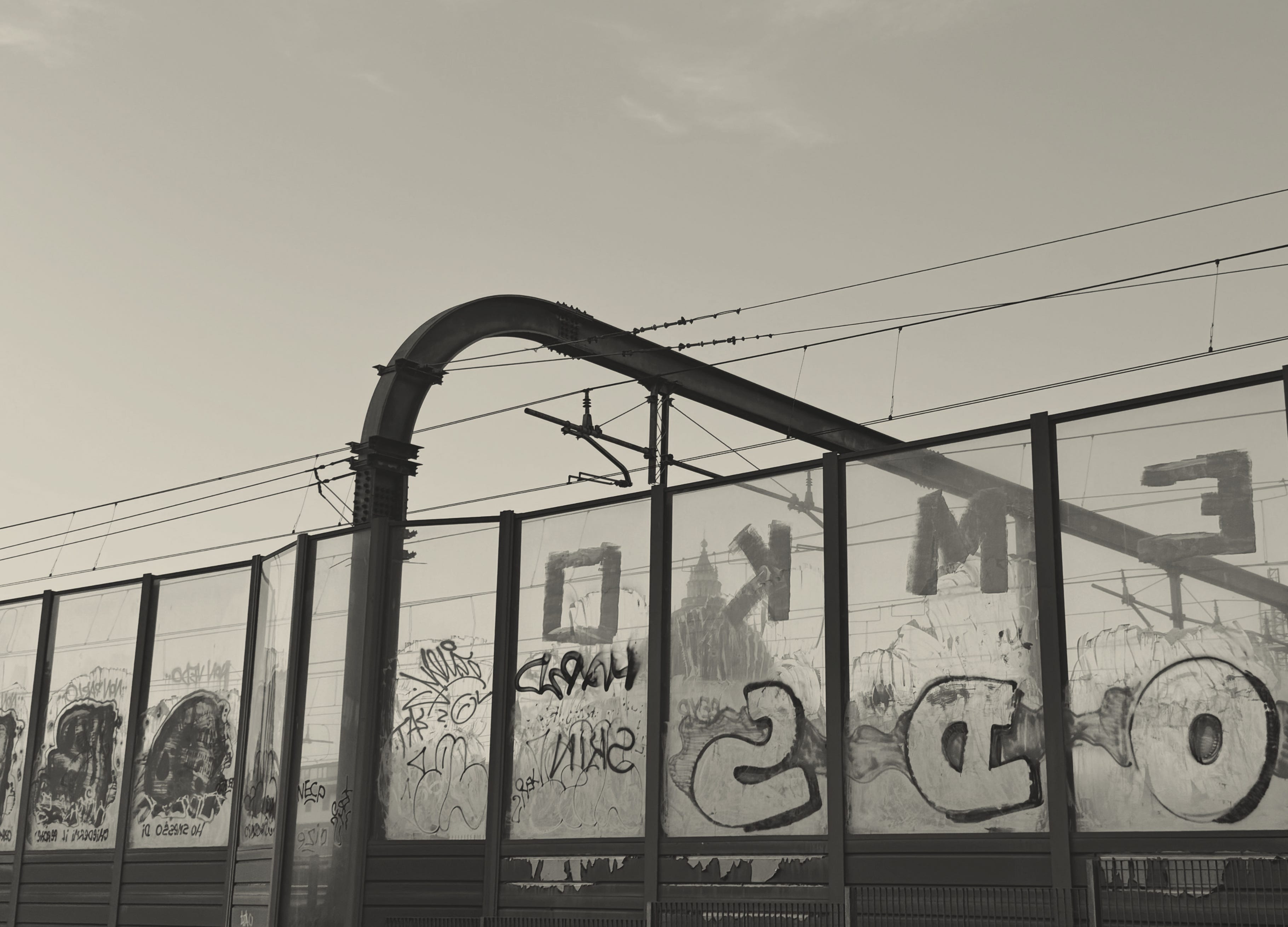
He was right. In a sense. There was nothing of note to be found in these nondescript towns. These places do look or rather can look the same. There are no grand piazzas, just precincts, no historic cathedrals or theatres just municipal buildings. But there are curiosities if you look hard enough. And sometimes you have to look pretty damn hard. As it turned out the curiosity in this town was the horse abattoir next to the venue with its lurid and rather disturbing ‘My Little Pony’ murals on its walls.
This week I’ve been flying solo, a poetry reading in Rome at Keats-Shelley House, an award ceremony and a launch for an underground poetry pamphlet series. I booked an apartment and spent most of my fee on a view across the Eternal City, the dome of St Peter’s a stone’s throw from the terrace. This is not a step up. I’ll still have nothing in my pockets when I come home. But this, this I tell myself, is poetry. You don’t get to take views home with you. They remain in the places where poetry goes.
My exuberance was perhaps due to my Instagram feed that is, like everyone else’s, notoriously populated with ‘my-life-is-better-than-yours’ views. In the last weeks it has been hijacked by writers from the Hay Festival, novelists mainly, not discussing ideas, not getting into it, not getting deeply down into it but bragging, mostly bragging about the idyllic locations where they’ve written their latest best sellers.
“I spent a delightful month in Tuscany,” says Sheila De Vinity, author of the A Millpond at Marlborough (Chatsworth & Grimstone) a W.H.Smith recommendation or David Henchman-Trout addressing a sold out crowd in a tent, “I find the pace of Dorset just suits my writing,” and Daphne Soames who you’ll probably know from All Our Mothers’ Sons saying with a contrived world weariness, “Each year my publisher banishes me to a villa in Umbria and tells me not to come home until I’m done.”
Fuck you, I think, fuck you, I shout at my phone. And then I book a fancy apartment in Rome. Because I want to be like them, the writers, the serious writers who don’t seem to have a view on anything, who only seem to have a nice view over something.
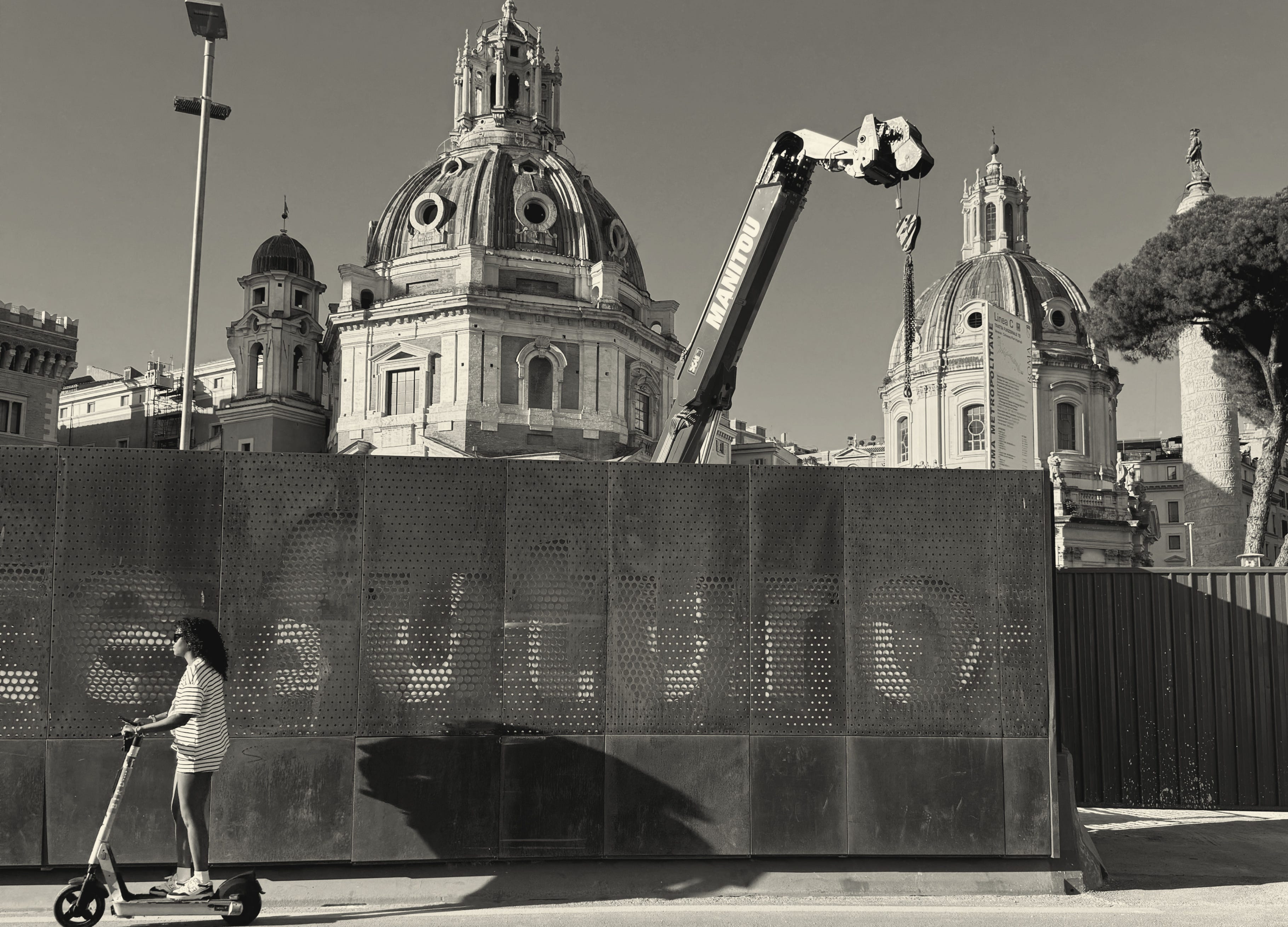
When Keats came to Rome it wasn’t as an aspirational writer nor as working poet. He came just to get better, just to be well and then hopefully go home to what he loved, to who he loved, to just carry on. He saw practically nothing of the city, its wonders, its vistas, its views. He lay, for the most part, on a bed in a small little room, in fever, in despair with just the comfort of a fountain, the sound of water out in the square.
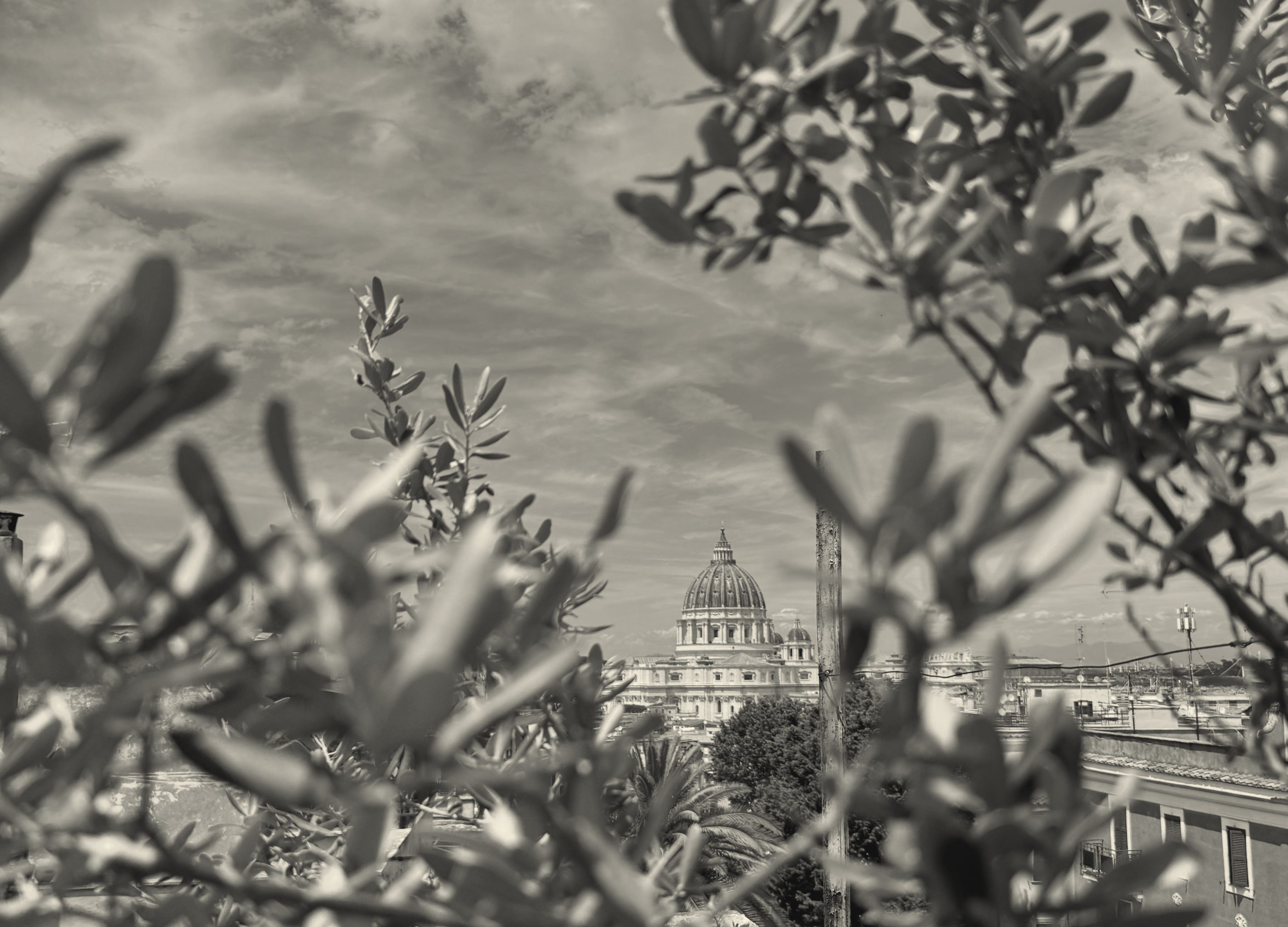
My own exuberance feels suddenly foolish. My first night here on the terrace and I can’t bear to look out at that astonishing view for too long. I’m not entirely sure why. Perhaps I feel like I don’t deserve it, perhaps I don’t want to get distracted by it, perhaps I don’t want to get too attached to it. I know it’ll not make me a better writer or a better anything for that matter. I move a small olive bush in a pot to block it out a little. But it keeps peeping through. That’s when you know it’s time to move on, it’s time to move on when the view you’ve been looking at starts looking at you.
Join me for a walk with Keats and brief view across Rome, Sunday 7 June, 18:00 hrs UK time