
Nº66 Finding Fanny
Or the girl next door

This week: An overheard conversation on a train, a top one hundred list and whatever became of the poet’s girlfriend?
I’m on a train. The carriage is fairly empty. At most it’s one half full. A man, a few seats down, is typing intently on a laptop. A phone rings. He answers. His tone is brusque, elevated, educated, confident. He talks loudly to another man at the end of the line. “I actually have the script in front of me now Brian,” he says, “We’ll need to make a some changes but I think we’ll have a show.”
I am close enough, perhaps he is forceful enough, to hear the clatter of his keyboard above the rattle of the train.“The love interest” he says, “she’s just not convincing enough, we’ll need to knock her into shape,” I have a clear view of him from where I’m sitting, straight down the aisle. My laptop is also open but I’m staring into the glow of a blank page. I am a little jealous of his industry. He is a just few stops away from his destination. I am yet to begin. I tune into his story more and detach from my own.
I listen as he says things like, “We can’t have her dominating the narrative Brian, we’ll need to cut her back. No, no, no, she can’t say things like that, she’d never say a thing like that. She can’t be seen as weak either Brian, I mean he needs to have a worthy adversary. Yes, yes, yes I agree, the less she says the better. All of that goes. Yes. All of that goes. Ok it’s gone. I mean she has still has a few choice lines. Actually it makes her character stronger. Certainly it makes him a more credible lead. OK, I’m mailing the script back to you now.”
We had coffee in the Troubadour and afterwards I went looking for Fanny in the cemetery. Cue schoolboy snickers, I went looking for Fanny in Brompton Cemetery. There’s a cafe and a visitors centre at the entrance on the Old Brompton Road. Two helpful assistants with fancy lanyards ask if I need help. “I’m looking for Fanny,” I say leaving an awkward enough pause before continuing, “Fanny Brawne,” I say “the fiancée of John Keats.” “Ah yes,” says a woman, “we do get one or two people looking for Fanny in here. Let me look her up.” She types the name ‘Fanny Brawne’ into a new looking computer and hits return. The screen reads: Your search shows 0 results. She types in ‘Frances Brawne’ instead and hits return . The screen reads: Your search shows 0 results. “That’s strange,” she says.
I follow her over to another desk where she picks up a leaflet, a guide to the Brompton Cemetery. “Let’s see if she’s on our top one hundred list,” She flicks through the pages and then runs her fingers down a list of names. Emmeline Pankhurst comes in at number two. Dr John Snow, the founding father of epidemiology, beats Pankhurst to the number one spot. I mean he did prove Cholera was waterborne I suppose. A monument to the Chelsea Pensioners is in at number three. But there’s no sign of Fanny.
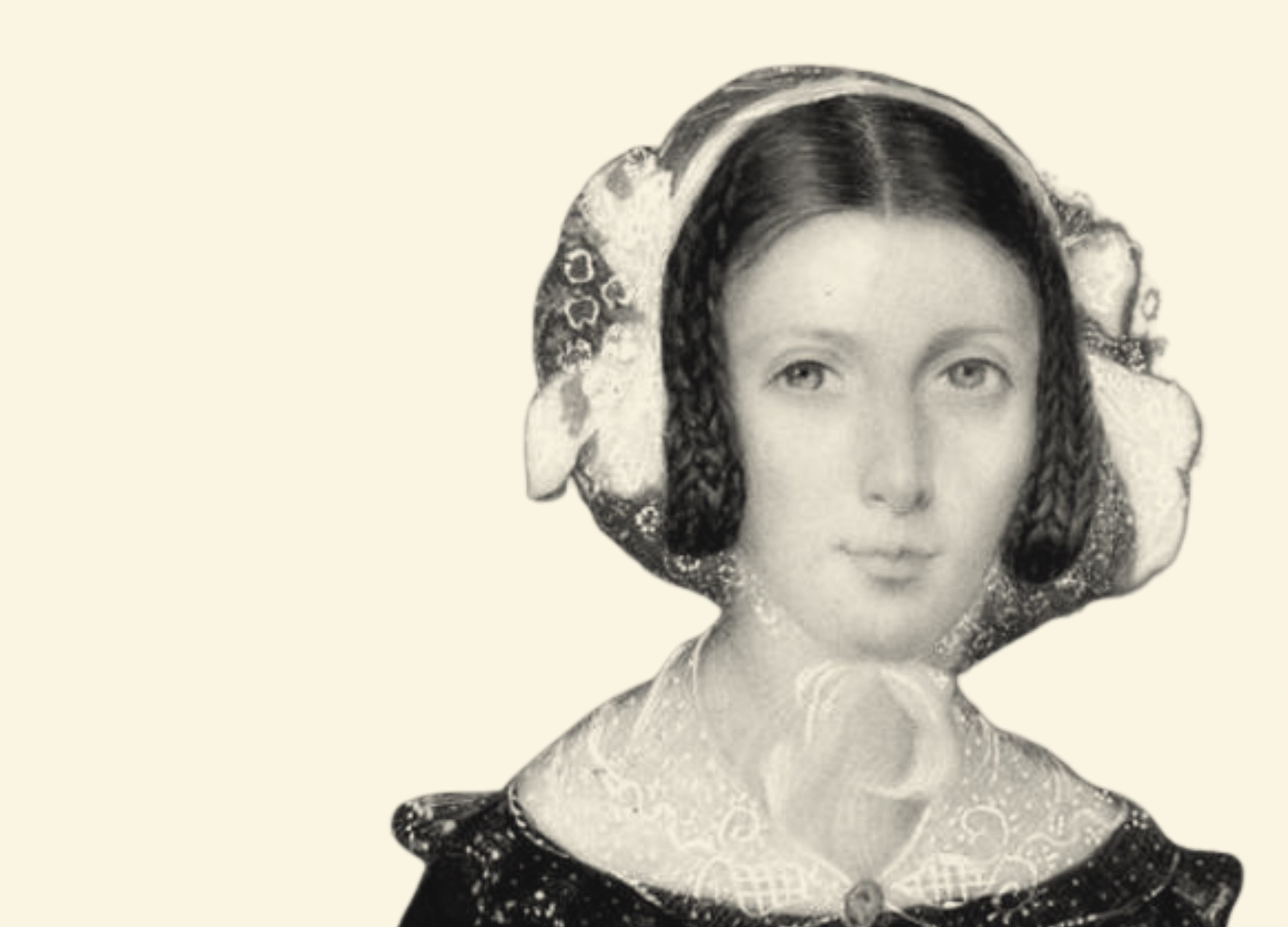
Frances Brawne (later Frances Brawne Lindon) is cast as the girl next door in the Keats story. She literally became the girl next door when her family moved into rooms on one side of Wentworth Place (now Keats House) in Hampstead, London in April 1819. Fanny and Johnny had met the previous November in 1818 and Keats appears to have been initially quite critical and dismissive of her. She, however, showed him enormous kindness, gave him emotional support when his brother died of tuberculosis that December and it’s easy to reduce her simply to being the poet’s muse as the two became close during Keats’ most productive period in 1819. Fanny was “a voluminous reader” and “books were her favourite topic of conversation.” She was also, “an eager politician” and is described as being “fiery in discussion.” She was very much Keats’ equal. On 18 October 1819, Keats proposed to Fanny Brawne and she accepted. Keats had given up a career in medicine to pursue poetry and a marriage would not be consented to by Fanny’s family. They kept their engagement a secret.
When Keats began coughing blood in February 1820 Fanny was still living next door. His infectious illness meant that meeting in person became problematic and instead they exchanged frequent notes and letters despite being only a few yards apart. Fanny would pass his window returning from her walks. All of this provided condition for an intense yet frustrating affair. We will never know if their relationship was consummated physically. The romance intensified when Keats left for Italy, on health grounds, in September. He never returned. He died in Rome in February 1821 with Fanny still believing he would be back by spring. She was thrown into a profound period of mourning that lasted six years when she learned of his death, cutting her hair short, wearing black and the ring Keats had given her before he left.
When she eventually married, twelve years after his death, she retained all of the poet’s letters and keepsakes and her archive provides much colour to the Keats story. It offers little further insight into her own. The letters she wrote to Keats are lost. The last ones she sent to Rome were never even opened and buried with the poet in accordance to his wishes. When the Keats letters were sold into a collection and published after Fanny’s death there was controversy. Fanny didn’t quite fit the Victorian narrative that had been established, she was too ordinary, even considered by critics as unworthy to be cast alongside such a distinguished figure as the poet.
We’re onto the final column of names and then, there she is, between Ernest Thesiger (who played Doctor Septimus Pretorius in Bride of Frankenstein) and Sir Augustus Henry Glossop Harris. Ah dear Augustus Henry Glossop Harris. I’m sure he’s the kind of chap who’d be most annoyed at finding himself beneath our Fanny.
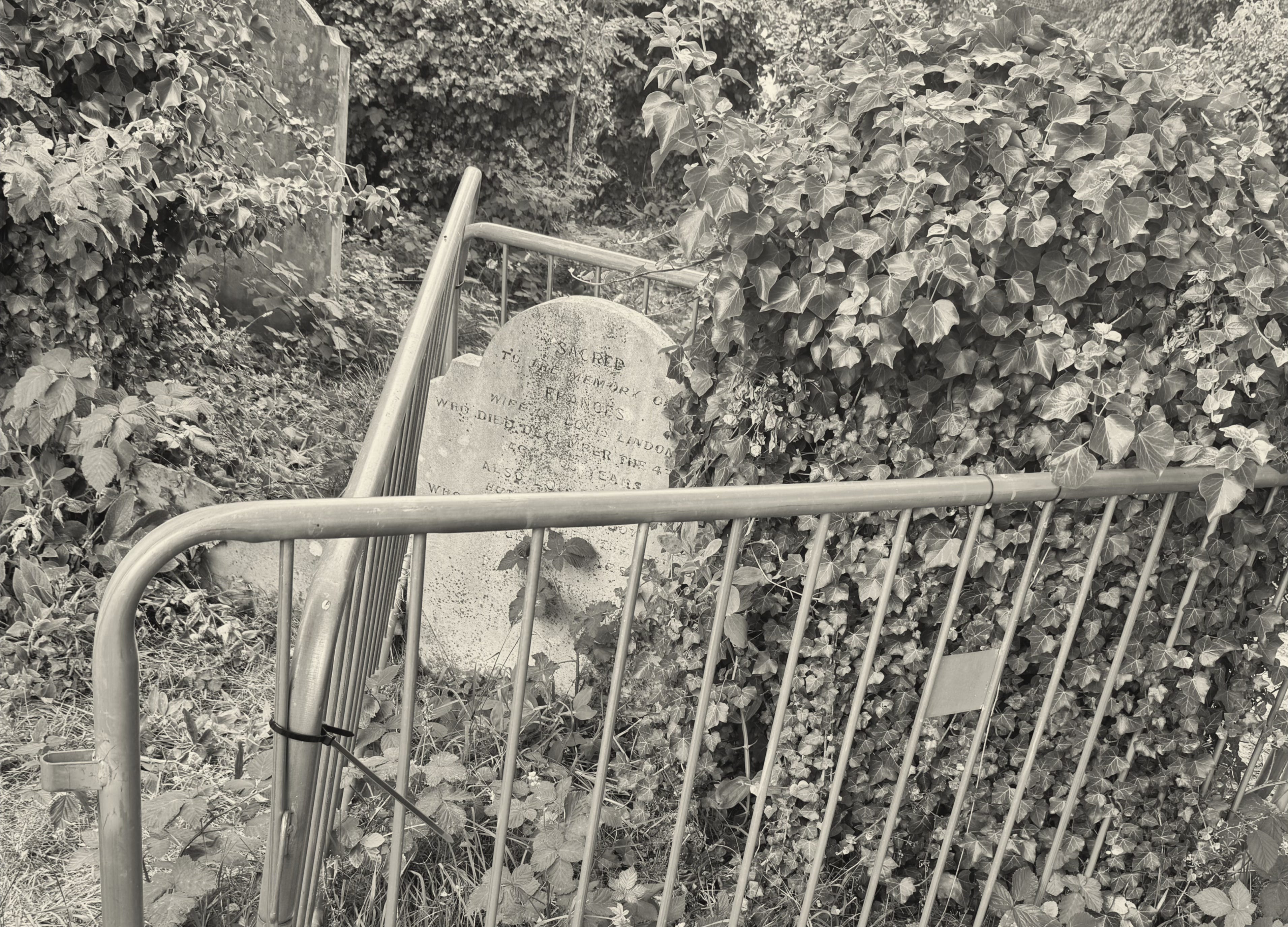
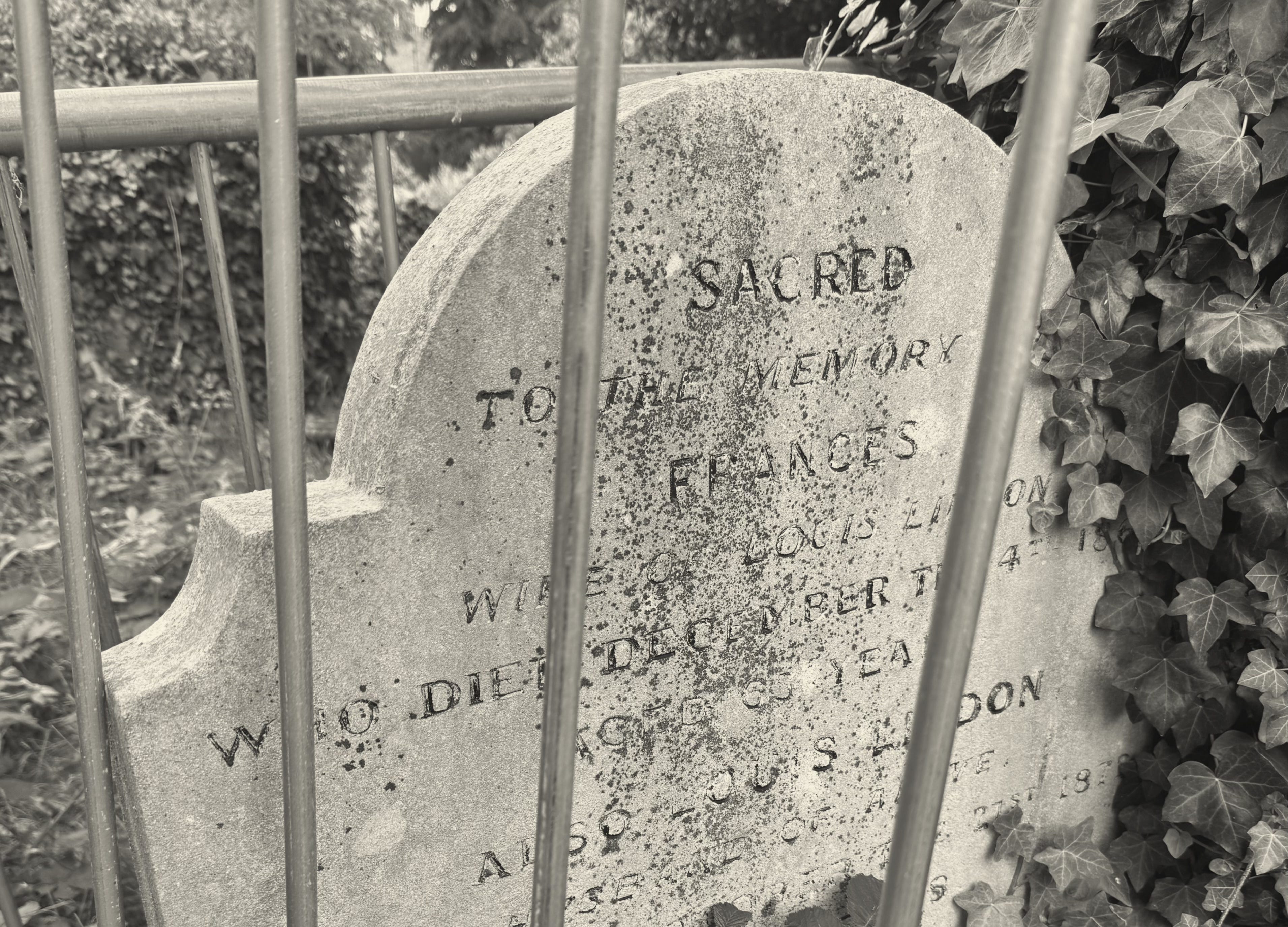
Frances Brawne Lindon is number ninety two on the top one hundred list at Brompton Cemetery and I go in search of her. I find her in the brambles and the ivy behind a metal, workman’s fence. She retains a degree of separation, cut off, removed as she was with her poet. Perhaps they have some works in mind here. Perhaps they’ll clear a path to Fanny, give her a little more status, restore her to a greater and more deserving glory. She doesn’t need her lines cut back anymore. They’ve been lost already. I stand respectfully, eagerly behind the metal barrier as if I’m waiting for a rockstar or a member of the royal family, which, of course, I am.
I’m performing ‘A Masque For Keats’ in Rome, 4 June.
I’ve written a part for Fanny.
She gets the best lines.
Listen to a preview here at 5pm, Sunday 31st May
So glad Fanny gets the best lines in your masque.
I love your story about her . I’ll be in London for a day in June so I’ll go and find her grave …
Glad to hear more about her - takes the taste of that tit off the train aeay.